

















The Complete Guide to Safety Supplies: Protecting People, Property & Peace of Mind

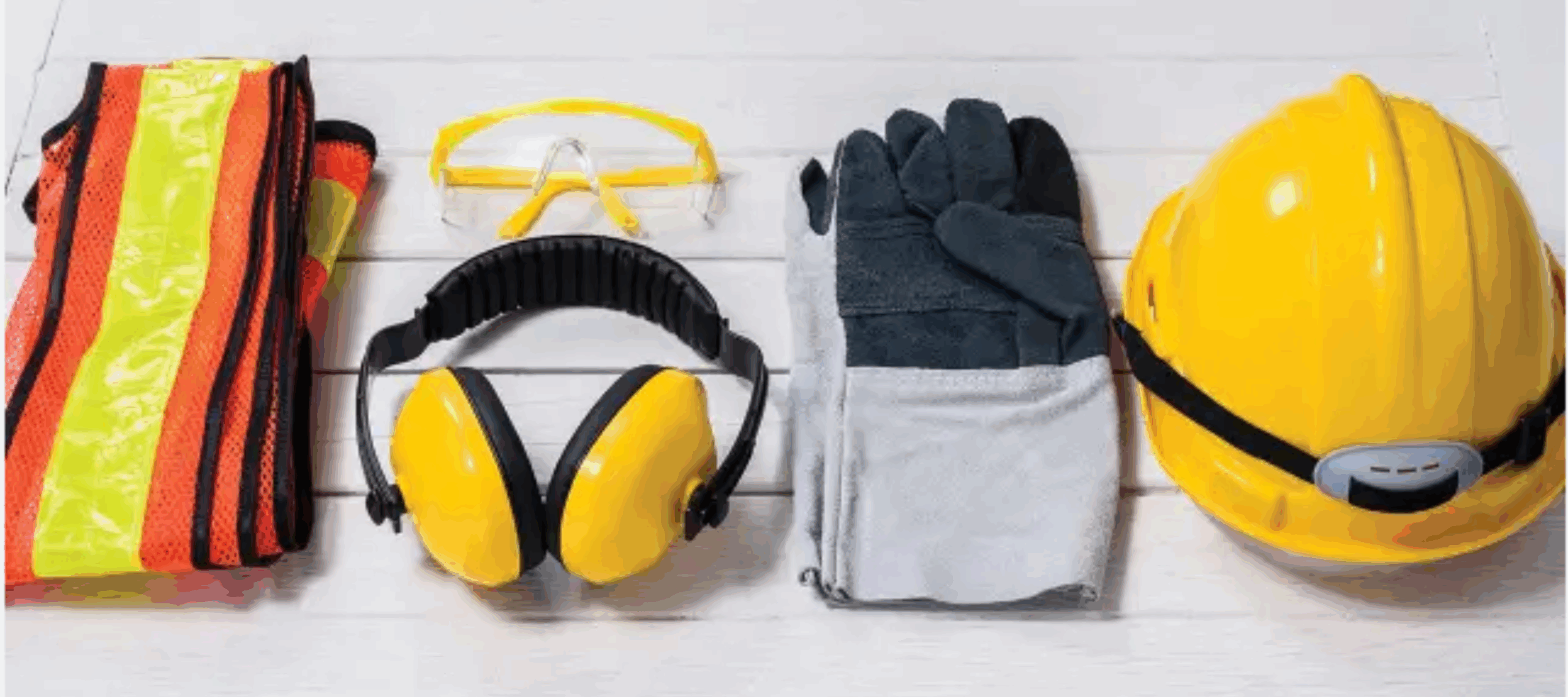
In today’s fast-paced world, safety is more than just a priority—it’s a necessity. Whether at the workplace, on the road, or at home, having the right safety supplies can mean the difference between prevention and disaster. From personal protective equipment (PPE) to fire safety tools, this guide will walk you through everything you need to build a safer environment.
1. Why Safety Supplies Are Crucial
Accidents can happen anytime and anywhere. Safety supplies are essential in minimizing risk, protecting lives, and ensuring compliance with health and safety regulations. Whether you run a business, manage a site, or care for your family, investing in safety equipment is a responsibility—not an option.
2. Personal Protective Equipment (PPE)
PPE includes items like gloves, safety goggles, face shields, masks, earplugs, helmets, and coveralls. These products are critical in industries like construction, manufacturing, chemical handling, and medical care. Proper PPE ensures workers are shielded from hazards like chemicals, dust, noise, and impact.
3. Workplace Safety Gear
Workplace safety goes beyond PPE. It includes high-visibility vests, anti-slip mats, safety signs, guardrails, and spill control kits. Every workplace should perform regular risk assessments and be stocked with supplies that prevent injuries and promote a safe working environment.
4. Fire Safety Equipment
Fire can destroy property and lives in seconds. Fire extinguishers, fire blankets, smoke detectors, emergency exit signs, and fire alarms are must-haves in every building. Also, regular fire drills and inspection of equipment ensure preparedness in emergencies.
5. First Aid Kits and Emergency Response
A well-stocked first aid kit is the first line of response in any accident. It should include bandages, antiseptics, burn cream, scissors, gloves, and CPR masks. Emergency response kits may also contain eye wash stations, trauma kits, and rescue tools depending on the nature of the workplace or home.
6. Construction Site Safety
Construction areas are full of hazards—falling objects, sharp tools, moving machinery. Key safety supplies here include hard hats, steel-toe boots, harnesses, barricade tape, and warning signage. Site managers must also ensure compliance with occupational health and safety laws.
7. Road Safety and Traffic Management
Safety on the road applies to workers and pedestrians alike. Road cones, reflective barriers, flashing lights, stop signs, and safety bollards guide traffic and reduce accidents. For drivers, safety kits with jumper cables, reflective jackets, and warning triangles are equally important.
8. Electrical and Chemical Safety
Working with electricity or chemicals poses serious risks. Insulated gloves, lockout-tagout systems, chemical-resistant aprons, and storage cabinets help prevent shocks, burns, and spills. Safety data sheets (SDS) should be accessible where chemicals are used or stored.
9. Home Safety Essentials
Safety isn’t just for industries—homeowners also need basic safety gear. Fire extinguishers, smoke alarms, carbon monoxide detectors, child-proofing tools, non-slip bathroom mats, and emergency lights are essential for a safe living environment.
10. Safety Signage and Awareness Tools
Clear, visible signage saves lives. “Caution”, “Danger”, “Exit”, and “No Entry” signs communicate risks and instructions quickly. Safety posters, training videos, and awareness campaigns play a big role in reinforcing safe behavior in any environment.
Conclusion: Prevention is Better than Cure
Safety supplies are more than just regulatory checkboxes—they’re lifesaving tools. From workplaces to homes, having the right equipment can prevent accidents, reduce injuries, and even save lives. Regular maintenance, employee training, and updated stock of safety gear ensure you’re always ready. Remember: safety isn’t expensive—it’s priceless.
Frequently Asked Questions (FAQs)
1. What are the most essential safety supplies for every workplace?
At minimum, every workplace should have PPE, a first aid kit, fire safety equipment, emergency signage, and spill control tools. The exact list depends on the type of work and risk level.
2. How often should safety equipment be inspected?
Fire extinguishers and alarms should be inspected monthly. PPE should be checked before each use. A full safety audit should be done quarterly or bi-annually, depending on the environment.
3. Are safety signs legally required?
Yes. Safety signs are required by law in most workplaces to indicate hazards, guide safe behavior, and inform about emergency exits or procedures. They must be clear, readable, and placed in the right locations.
4. What should be included in a home safety kit?
Basic home safety kits should include a fire extinguisher, first aid kit, flashlights, batteries, emergency contacts, and a whistle. For families with kids or elderly, additional items like child locks and grab bars are useful.
5. Can expired safety equipment be used?
No. Using expired or damaged safety gear can be dangerous. PPE, first aid items, fire extinguishers, and other gear must be replaced once they expire or become compromised.