
















Complete Guide to Solar & Lighting Supplies for Homes and Businesses

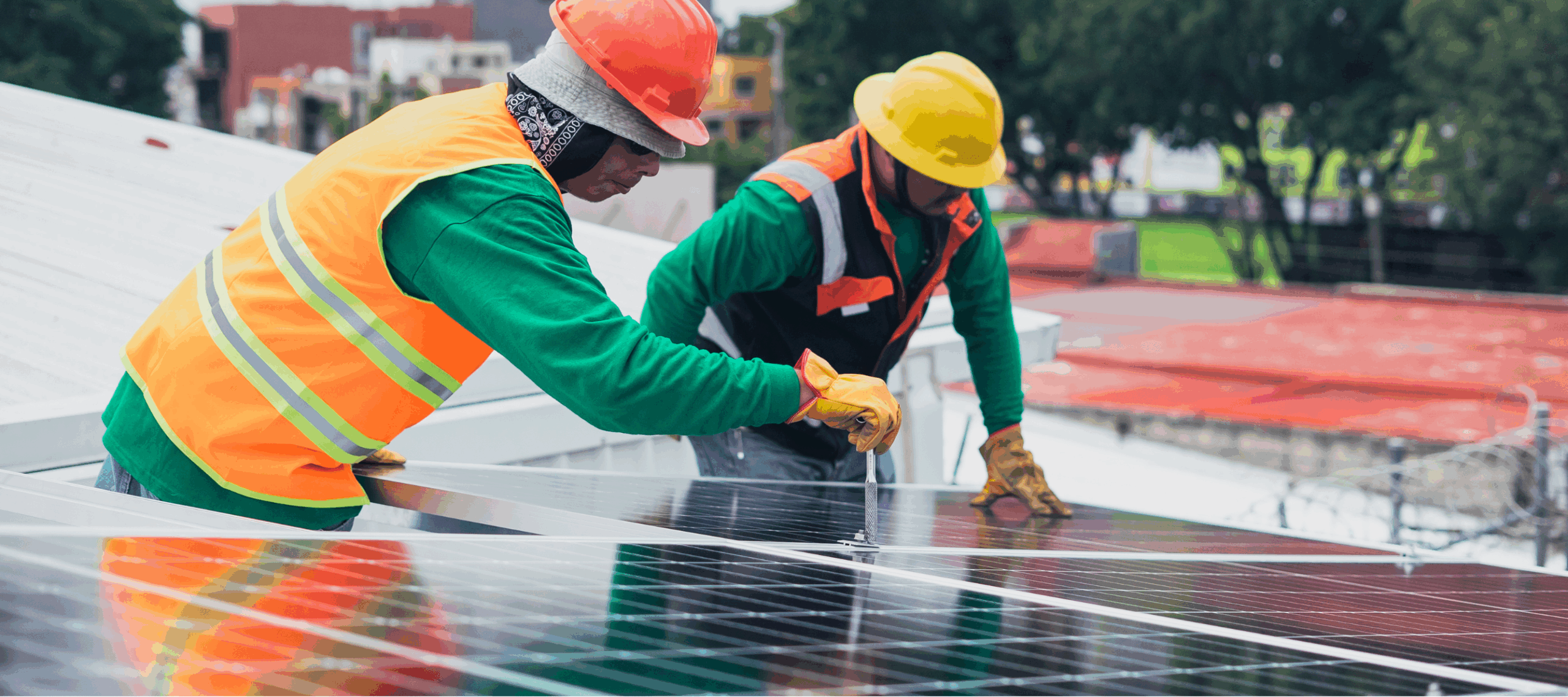
In a world where energy efficiency and sustainability are becoming essential, solar and lighting supplies have transformed how we light up our homes, offices, and outdoor spaces. Solar energy is a renewable, eco-friendly power source that not only reduces electricity bills but also minimizes carbon footprints. With the increasing demand for energy-efficient solutions, the right lighting and solar equipment are now crucial for every space—whether residential or commercial.
1. Why Choose Solar and Energy-Efficient Lighting?
Solar power harnesses energy from the sun, making it a clean and cost-effective alternative to traditional electricity. Lighting systems that operate on solar energy offer long-term savings and require minimal maintenance. Using solar lighting also reduces dependency on the grid and provides consistent power in remote or off-grid areas. Energy-efficient lighting, such as LEDs, not only consumes less electricity but also lasts much longer than traditional bulbs.
2. Different Types of Solar Lighting
There are various solar lighting options available to suit different needs. Solar garden lights are popular for pathways, lawns, and decorative purposes. Solar floodlights are ideal for security and large area lighting. Solar wall lights and bollard lights are used in commercial and residential properties for both functionality and aesthetics. Each of these serves a unique purpose, offering both convenience and visual appeal.
3. Components of a Solar Lighting System
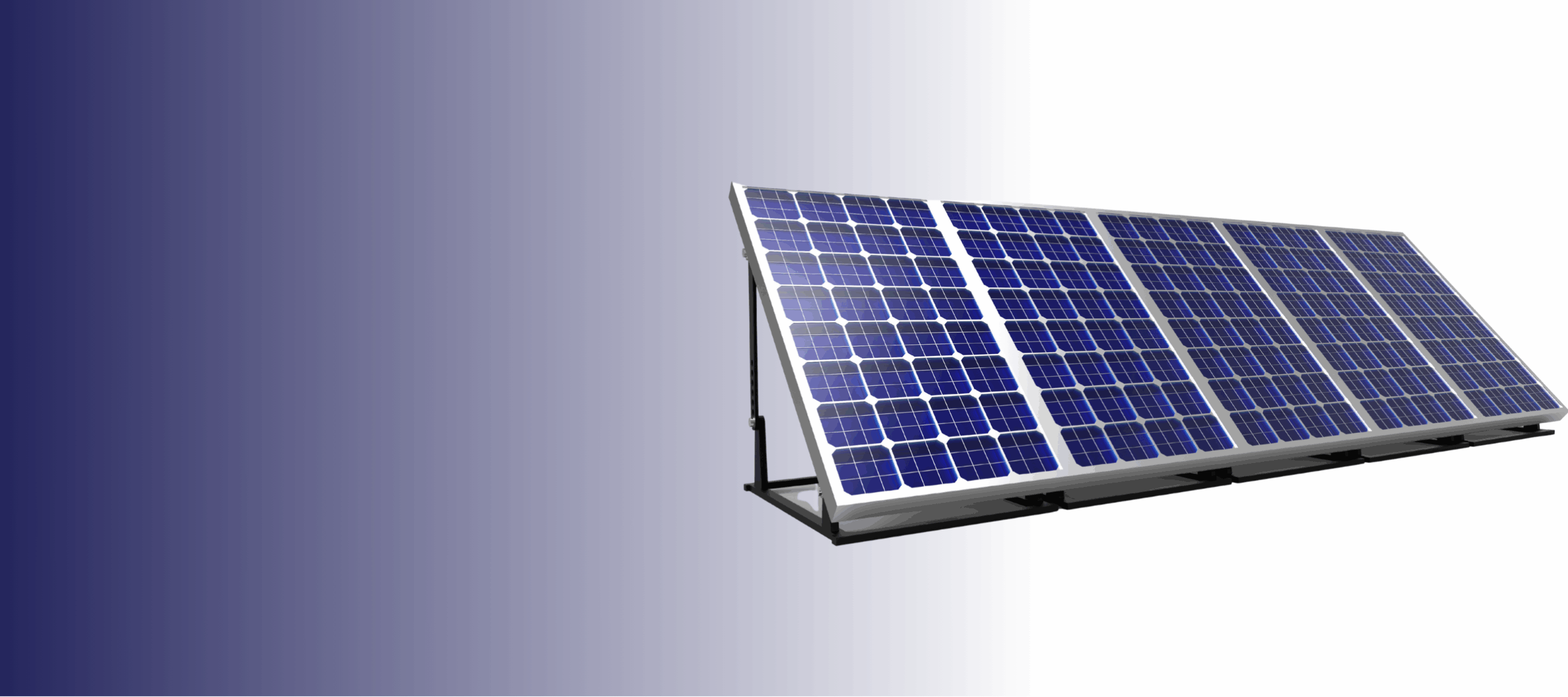
A complete solar lighting system includes a solar panel, a rechargeable battery, a controller, and an LED light source. The solar panel collects energy during the day, which is stored in the battery and used to power the light at night. Advanced systems may include motion sensors, timers, or dimming features to enhance functionality and conserve energy. Choosing high-quality components ensures reliable performance even in low-sunlight conditions.
4. LED Lighting vs Traditional Bulbs
LEDs have become the standard in modern lighting due to their energy efficiency, low heat output, and longer lifespan. Compared to incandescent or halogen bulbs, LEDs consume up to 80% less power and last many times longer. They also come in various color temperatures and brightness levels, making them suitable for both indoor and outdoor applications. Traditional bulbs are being phased out globally in favor of more sustainable LED solutions.
5. Indoor Solar Lighting Solutions
Indoor solar lighting is ideal for sheds, cabins, warehouses, and even homes that want to reduce electricity costs. With roof-mounted panels and strategically placed lights, solar lighting can illuminate bedrooms, hallways, kitchens, and workspaces. Solar skylights and tube lights are also popular options for naturally lighting up dark areas without the use of electricity. These systems are easy to install and operate even during cloudy days.
6. Outdoor Lighting for Safety and Style
Solar and LED lighting is widely used outdoors for both safety and aesthetics. Driveway lights, motion-sensor floodlights, and wall-mounted security lights enhance the security of your property while keeping energy usage low. Decorative garden lights, string lights, and lanterns add ambiance to patios and outdoor sitting areas. All of these can be solar-powered, saving on electricity and avoiding the need for complex wiring.
7. Commercial Applications of Solar and Lighting Products
Businesses and institutions are increasingly adopting solar lighting for parking lots, signage, pathways, and warehouses. These systems reduce operational costs, require minimal maintenance, and often qualify for government incentives. Lighting in commercial spaces also affects productivity and safety, making it important to invest in high-quality, efficient fixtures. Solar-powered CCTV lighting, emergency lights, and streetlights are becoming industry standards.
8. Off-Grid Lighting Solutions
For areas where electrical infrastructure is limited or unavailable, solar lighting provides a dependable solution. Rural homes, farms, campsites, and disaster-relief areas benefit immensely from solar lanterns, solar-powered bulbs, and off-grid solar kits. These solutions are portable, easy to set up, and do not require any connection to the power grid, making them perfect for emergency situations or temporary installations.
9. Maintenance and Lifespan of Solar Lighting
One of the biggest advantages of solar and LED lighting is their low maintenance. Most systems are weatherproof and designed to work for years with minimal upkeep. The batteries may need replacement every few years, and panels should be kept clean for maximum efficiency. LEDs typically last 25,000 to 50,000 hours, depending on usage. Investing in reliable brands and components can greatly extend the life of your system.
10. Environmental and Financial Benefits
Switching to solar and energy-efficient lighting greatly reduces greenhouse gas emissions and helps conserve natural resources. Financially, the initial investment is often offset by long-term savings on energy bills. Government incentives and rebates further reduce upfront costs for solar installations. For eco-conscious households and businesses, solar lighting is not just a trend—it’s a smart, future-ready choice.
Conclusion: Light Smarter, Live Better
Solar and lighting supplies are transforming the way we illuminate our world. Whether you want to cut energy bills, go green, or secure your property, investing in quality solar and LED lighting systems is the way forward. With technology evolving rapidly and more affordable options entering the market, now is the perfect time to make the switch. Brighten your space with energy-efficient solutions that support both your wallet and the planet.
Frequently Asked Questions (FAQs)
1. Can solar lights work during cloudy or rainy days?
Yes, most modern solar lights store enough energy during daylight hours to operate for several nights. However, prolonged cloudy conditions may reduce their brightness or runtime.
2. Are solar lighting systems expensive to install?
The initial cost may be higher than regular lighting, but you save money in the long run through lower energy bills and minimal maintenance. Many systems are also eligible for rebates or subsidies.
3. What is the average lifespan of a solar light?
A good-quality solar light can last 3 to 5 years or more. LED bulbs can last over 25,000 hours, and the solar panel may function efficiently for 10 years or longer with proper care.
4. Do solar lights require special wiring?
No, solar lights are generally wireless and easy to install. Most systems are plug-and-play and require no professional wiring, making them suitable for DIY installation.
5. Can I use solar lighting for my entire home?
Yes, you can use solar lighting for both indoor and outdoor applications, depending on your energy needs and the solar panel capacity. Hybrid systems can also supplement your grid power with solar energy.