















The Ultimate Guide to Gardening Supplies for a Flourishing Garden

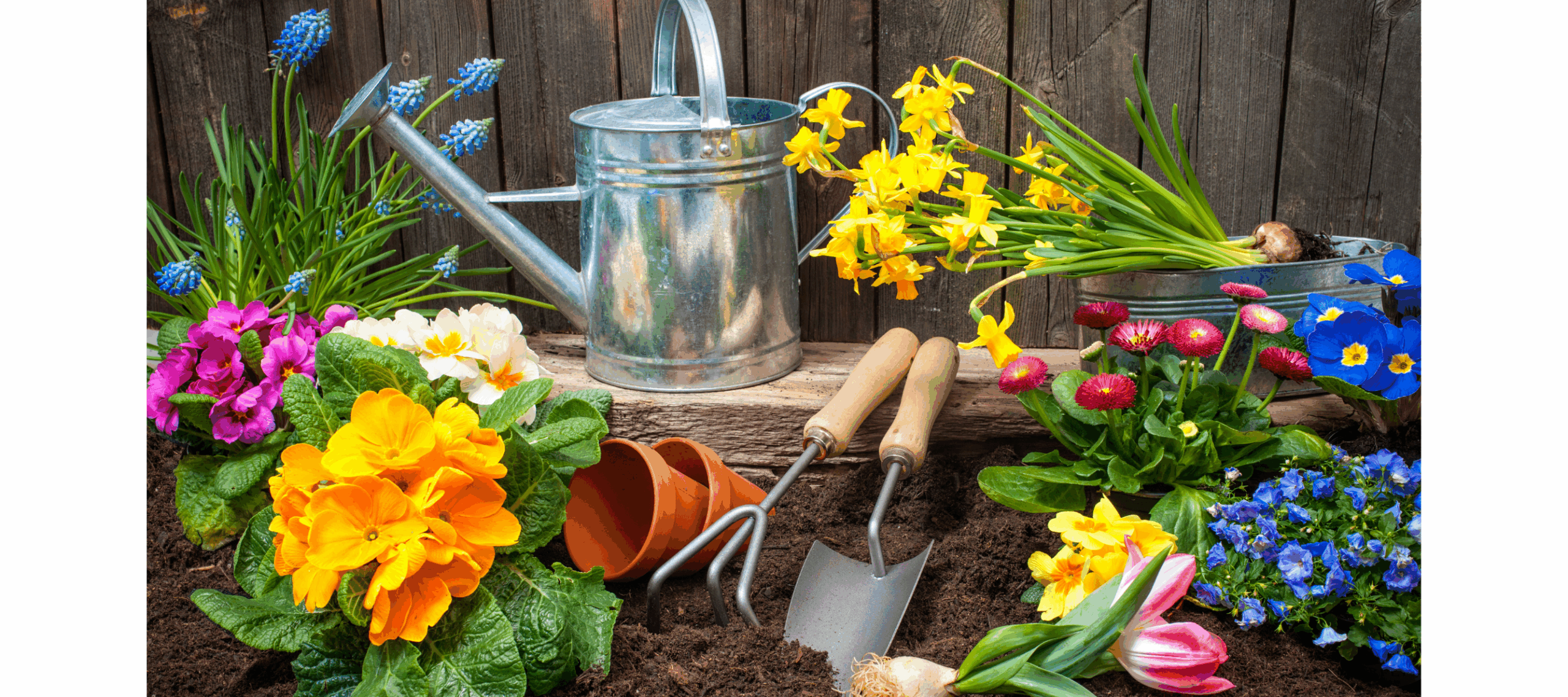
Gardening is more than just a hobby—it’s a way to connect with nature, improve your mental well-being, and enjoy fresh produce or beautiful blooms. Whether you’re a beginner with a small backyard or an expert with a full greenhouse, having the right gardening supplies is essential. From tools and soil to watering solutions and protection gear, every item plays a role in creating a thriving green space.
1. Understanding the Importance of Gardening Supplies
Having proper gardening supplies helps save time, reduce effort, and boost productivity. When you invest in quality tools and materials, you’re ensuring that your plants get the best care possible. Without the right gear, even the most passionate gardener can struggle to achieve results.
2. Essential Gardening Tools
Every gardener needs a set of basic tools like a spade, trowel, hand fork, pruners, and gloves. These tools assist with digging, planting, weeding, and trimming. It’s important to choose tools that are durable, rust-resistant, and comfortable to use for long hours in the garden.
3. Soil and Compost for Healthy Growth
Healthy plants begin with healthy soil. Potting mix, compost, and organic fertilizers provide the nutrients plants need to grow strong and bear fruit or flowers. Whether you’re planting vegetables, herbs, or ornamental plants, selecting the right soil type is critical for success.
4. Watering Equipment and Irrigation Solutions
Watering cans, hosepipes, sprinklers, and drip irrigation systems are all essential depending on your garden size. Overwatering and underwatering are common mistakes, so having controlled watering systems can help maintain the right moisture balance for your plants.
5. Planters, Pots, and Raised Beds
Planters and pots allow you to grow a variety of plants even in limited spaces like balconies or patios. Raised garden beds offer better soil drainage and accessibility, making gardening easier for people of all ages. They also help with weed and pest control.
6. Seeds, Seedlings, and Bulbs
The quality of your garden starts with what you plant. Whether you grow from seeds, use young seedlings, or plant flower bulbs, ensure they are fresh and sourced from a reliable supplier. Good seeds and bulbs produce stronger, more disease-resistant plants.
7. Pest and Weed Control
Garden pests and weeds can ruin your plants in no time. Organic pesticides, weed mats, and protective netting are vital to maintain a healthy garden. Regular inspection and treatment can prevent infestations and keep your garden thriving without harmful chemicals.
8. Gardening Safety Gear
Gardening involves physical effort and exposure to sun, soil, and sharp tools. Safety gear like gardening gloves, knee pads, sun hats, and protective clothing helps you work comfortably and avoid injuries. Don’t overlook the importance of safety when working outdoors for extended periods.
9. Seasonal Gardening Supplies
Different seasons require different gardening strategies. In summer, you may need shade covers and extra watering supplies, while in winter, frost protection blankets and greenhouses become essential. Planning ahead for seasonal changes ensures your plants stay healthy all year round.
10. Garden Décor and Accessories
Beyond the practical, gardening also involves aesthetics. Garden décor items like statues, lights, bird feeders, and decorative stones enhance the beauty of your garden. These accessories not only create a peaceful outdoor environment but also reflect your personal style.
Conclusion: Grow with the Right Supplies
Gardening is a rewarding activity that brings beauty, food, and peace to your life. With the right supplies, it becomes even more enjoyable and productive. Whether you’re growing a few herbs or managing a full garden, quality tools, soil, water systems, and protective gear make a big difference. Invest in your garden like you invest in your health—because in many ways, they go hand in hand.
Frequently Asked Questions (FAQs)
1. What are the basic gardening supplies I need to start with?
To start gardening, you need basic tools like a trowel, pruners, gloves, good quality soil, seeds or seedlings, and a watering can or hose.
2. How often should I water my garden?
Watering depends on the plant type, weather, and soil. As a general rule, water when the top inch of soil feels dry. Avoid overwatering to prevent root rot.
3. Can I do gardening in a small space or balcony?
Yes, container gardening with pots, vertical planters, and raised beds is ideal for small spaces. Herbs, flowers, and even some vegetables can thrive on a balcony.
4. Are organic pesticides effective?
Organic pesticides like neem oil, soap sprays, and garlic solutions can be very effective when used regularly and correctly. They are safer for the environment and pollinators.
5. What’s the best soil for vegetable gardening?
A well-draining, nutrient-rich loamy soil with compost is ideal for vegetables. It retains moisture without getting soggy and supports root development.